
because love lives on...
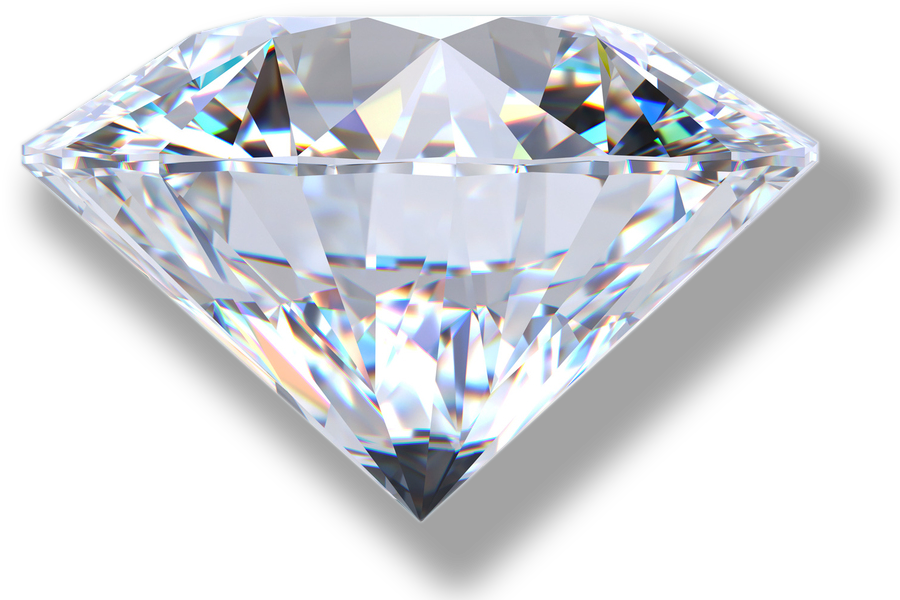
Diamonds created from your loved ones ashes or lock of hair
Your trusted US diamond lab. Making diamonds since 2002
we have the
only U.S. lab
We believe the tracking of your loved ones carbon is of the highest importance.
That is why we invested in the most advanced and ONLY US based diamond production facility. Come take a tour when you place your order. We’d love to show you around.
LifeGem Prices
| Carat Range |
Price Each |
Qty 2 or More |
|
|---|---|---|---|
| Petite | .10 – .19 | $1,999 | $1,799/ea |
| Classic | .20 – .29 | $2,399 | $2,099/ea |
| Elegant | .40 – .49 | $3,399 | $3,099/ea |
| Grand | .50 – .69 | $5,599 | $5,199/ea |
| Stunning | .75 – .89 | $6,999 | $6,499/ea |
| 1.0 Ct + | 1.00 & Up | $12,999 | call |
| 1.5 Ct + | 1.50 & Up | $14,999 | call |
| 2 Ct + | 2.00 & Up | $18,599 | call |
| 3 Ct + | 3.00 & Up | $32,299 | call |
| Carat Range |
Price Each |
Qty 2 or More |
|
|---|---|---|---|
| Petite | .10 – .19 | $1,999 | $1,799/ea |
| Classic | .20 – .29 | $2,399 | $2,099/ea |
| Elegant | .40 – .49 | $3,399 | $3,099/ea |
| Grand | .50 – .69 | $5,599 | $5,199/ea |
| Stunning | .75 – .89 | $6,999 | $6,499/ea |
| 1.0 Ct + | 1.00 & Up | $12,999 | call |
| 1.5 Ct + | 1.50 & Up | $14,999 | call |
| 2 Ct + | 2.00 & Up | $18,599 | call |
| 3 Ct + | 3.00 & Up | $32,299 | call |
| Carat Range |
Price Each |
Qty 2 or More |
|
|---|---|---|---|
| Petite | .10 – .19 | call | call |
| Classic | .20 – .29 | call | call |
| Elegant | .40 – .49 | $3,099 | $2,999/ea |
| Grand | .50 – .69 | $3,899 | $3,399/ea |
| Stunning | .80 – .89 | $4,999 | $4,499/ea |
| 1.0 Ct + | 1.00 & Up | $9,999 | call |
| 1.5 Ct + | 1.50 & Up | $11,999 | call |
| 2 Ct + | 2.00 & Up | $14,899 | call |
| 3 Ct + | 3.00 & Up | $28,599 | call |
| Carat Range |
Price Each |
Qty 2 or More |
|
|---|---|---|---|
| Petite | .10 – .19 | $1,999 | $1,799/ea |
| Classic | .20 – .29 | $2,399 | $2,099/ea |
| Elegant | .40 – .49 | $3,399 | $3,099/ea |
| Grand | .50 – .69 | $5,599 | $5,199/ea |
| Stunning | .75 – .89 | $6,999 | $6,499/ea |
| 1.0 Ct + | 1.00 & Up | $12,999 | call |
| 1.5 Ct + | 1.50 & Up | $14,999 | call |
| 2 Ct + | 2.00 & Up | $18,599 | call |
| 3 Ct + | 3.00 & Up | $32,299 | call |
| Carat Range |
Price Each |
Qty 2 or More |
|
|---|---|---|---|
| Petite | .10 – .19 | $1,999 | $1,799/ea |
| Classic | .20 – .29 | $2,399 | $2,099/ea |
| Elegant | .40 – .49 | $3,399 | $3,099/ea |
| Grand | .50 – .69 | $5,599 | $5,199/ea |
| Stunning | .75 – .89 | $6,999 | $6,499/ea |
| 1.0 Ct + | 1.00 & Up | $12,999 | call |
| 1.5 Ct + | 1.50 & Up | $14,999 | call |
| 2 Ct + | 2.00 & Up | $18,599 | call |
| 3 Ct + | 3.00 & Up | $32,299 | call |
| Carat Range |
Price Each |
Qty 2 or More |
|
|---|---|---|---|
| Petite | .10 – .19 | call | call |
| Classic | .20 – .29 | call | call |
| Elegant | .40 – .49 | $3,099 | $2,999/ea |
| Grand | .50 – .69 | $3,899 | $3,399/ea |
| Stunning | .80 – .89 | $4,999 | $4,499/ea |
| 1.0 Ct + | 1.00 & Up | $9,999 | call |
| 1.5 Ct + | 1.50 & Up | $11,999 | call |
| 2 Ct + | 2.00 & Up | $14,899 | call |
| 3 Ct + | 3.00 & Up | $28,599 | call |
Family Plans
LifeGem Family Plans are a great way to create LifeGem diamonds for family members at a great savings. Blue & Colorless LifeGems can be combined and still qualify for the Family Plan pricing. Pink/Red LifeGems are also available in the classic size. Family Plan diamonds are always cut as round brilliant.
Colorless & Blue Family Plan Pricing
| Petite (.10 – .19) |
Classic (.20 – .29) |
Elegant (.40 – .49) |
|
| Family Plus (min qty 3) |
$1,699/ea | $1,999/ea | $2,999/ea |
| Family Complete (min qty 4) |
$1,599/ea | $1,899/ea | $2,899/ea |
| Family Extended (min qty 5) |
$1,399/ea | $1,699/ea | $2,699/ea |
Pink / Red Family Plan Pricing
| Elegant (.40 – .49) |
|
| Family Plus (min qty 3) |
$2,899/ea |
| Family Complete (min qty 4) |
$2,799/ea |
| Family Extended (min qty 5) |
$2,699/ea |
Family Plans
LifeGem Family Plans are a great way to create LifeGem diamonds for family members at a great savings. Blue & Colorless LifeGems can be combined and still qualify for the Family Plan pricing. Pink/Red LifeGems are also available in the classic size. Family Plan diamonds are always cut as round brilliant.
Colorless & Blue Family Plan Pricing
| Petite (.10 – .19) |
Classic (.20 – .29) |
Elegant (.40 – .49) |
|
| Family Plus (min qty 3) |
$1,699/ea | $1,999/ea | $2,999/ea |
| Family Complete (min qty 4) |
$1,599/ea | $1,899/ea | $2,899/ea |
| Family Extended (min qty 5) |
$1,399/ea | $1,699/ea | $2,699/ea |
Pink / Red Family Plan Pricing
| Elegant (.40 – .49) |
|
| Family Plus (min qty 3) |
$2,899/ea |
| Family Complete (min qty 4) |
$2,799/ea |
| Family Extended (min qty 5) |
$2,699/ea |
Famous LifeGem Diamonds
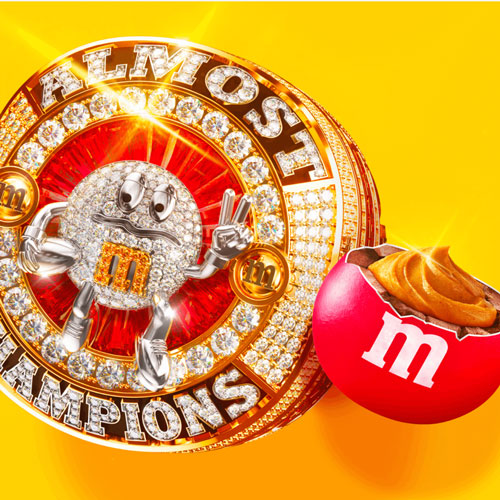
Almost Champions 2024 NFL Superbowl Ring
Yep, you guessed it. Mars Candy Company hired us to make diamonds from peanut butter M&Ms so they could create this “super” cool ring for the big game… um, losers. Still, I wouldn’t mind having it!
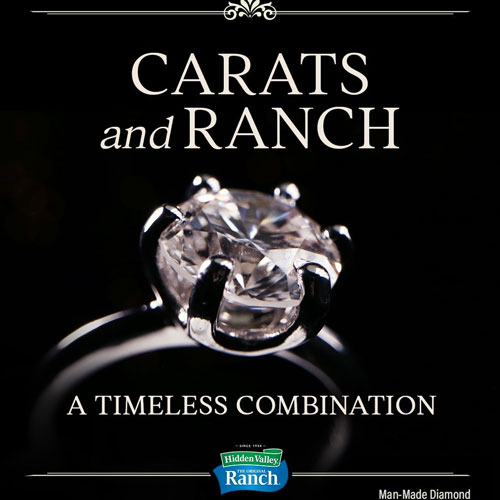
LifeGem Diamond made from Ranch Dressing?
This was a fun project. Turned a lot of Hidden Valley Ranch into carbon, then on it’s way to becoming this diamond. You know what they say… Ranch is a girl’s best friend!
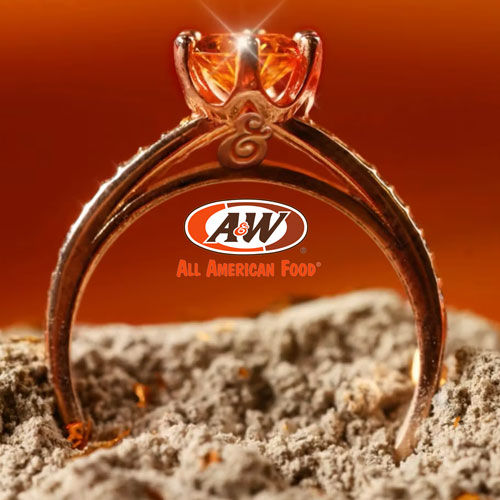
A&W Cod Sandwich Diamond anyone?
What will they think of next? We’ve always said we can make a LifeGem diamond out of anything carbon based, and I guess A&W is really taking that to the limit!
The first question you should be asking any diamond maker is… “Where are my diamonds being made?” We are confident you will like our answer. Right here in the USA.
The LifeGem diamond production lab located in Chicago, Illinois is not only the most advanced diamond production facility in the United States, it is the only one.
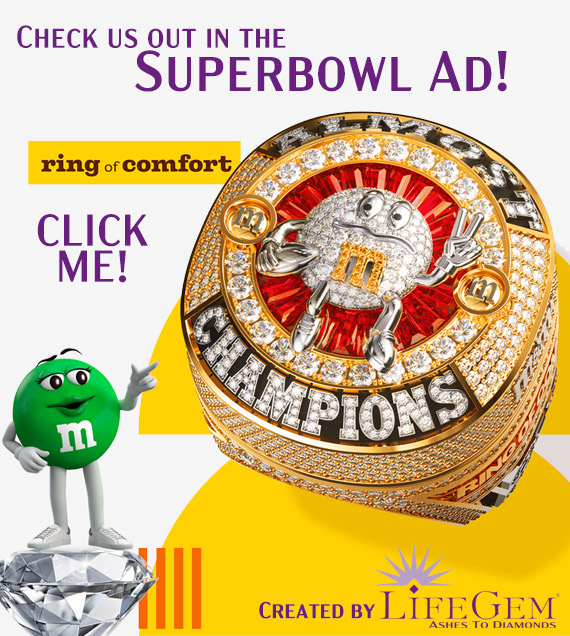
We invented the process and have been creating diamonds for over 20 years. As seen above, we are trusted by families and major corporations alike to create the most exquisite memorial diamonds available.
Click here to check out our online tour.
Because of the high demand of LifeGem diamonds, our lab is a very busy place. We are currently offering tours to order placing clients, educational facilities, or organized groups of 10 or more.
Please call for more information – (866) 543-3436.
How To Order
Ordering your very own LifeGem diamond, either from a lock of hair, or the ashes of your loved one, is a simple three step process. Begin by calling us at 866-543-3436 to request your free shipping kit. This kit has everything you need to securely send your order to us by US Priority Mail. Tap below for more details.
- Add your contact information and your loved one’s information. It is necessary for your unique ID.
- Select your unique LifeGem diamond size and color.
- Sign the order form and complete the payment information section. Only a 50% deposit is required.
Request our EASY shipping kit for everything you need to return your order securely to our office. Do NOT send all of the ashes. If sending a lock of hair, we need only the amount collected during a routine haircut.
Place the sealed container of the ashes and/or hair in the shipping box along with the completed and signed order form. Send via PRIORITY U.S. MAIL to: LifeGem (Attn: Orders), 836 Arlington Heights Rd. #311, Elk Grove Village, IL 60007
We immediately assign your unique tracking number to ensure traceability through every step of our process. You will receive a confirmation letter with this tracking number, your username and temporary password. You will be notified via email as your loved one’s carbon proceeds through our process. Upon completion, we will set up your secure overnight delivery.

Partner Locations
We have over 5000 certified partners in the U.S. Click here to find one near you. They can help with everything from full services to handling the ashes to expediting your shipping.
LifeGem for Pets
Because I’ll always remember… how I loved you with all my heart, but you always loved me more.
LifeGem… a diamond created from the ashes or fur of your precious pet as a memorial to their unique & wonderful life.